
CMMC 2.0 represents a shift in how the Department of Defense expects contractors to approach cybersecurity. While the framework simplifies some elements of the original model, it raises expectations around accountability and evidence. For many organizations, the biggest challenge is not understanding the controls. It is aligning everyday operations with what assessors will eventually verify.
Preparing for CMMC 2.0 is less about reacting to new rules and more about building consistency into how systems, data, and people operate. Organizations that treat preparation as a modernization effort move faster and with less disruption.
What Is Actually Changing Under CMMC 2.0
CMMC 2.0 reduces the original five levels to three and places greater emphasis on alignment with NIST SP 800 171. For many contractors, this means the technical requirements may look familiar, but the way they are validated is evolving.
Self-assessments are allowed at certain levels, but accountability has increased. Organizations are expected to attest that controls are implemented and operating. False or unsupported attestations carry real consequences. This makes evidence and accuracy more important than ever.
Another important shift is pacing. While enforcement timelines are being phased in, sponsors expect organizations to move toward compliance now. Waiting until contracts require certification puts teams at risk of rushed remediation later.
Preparation Starts with Operations, Not Paperwork
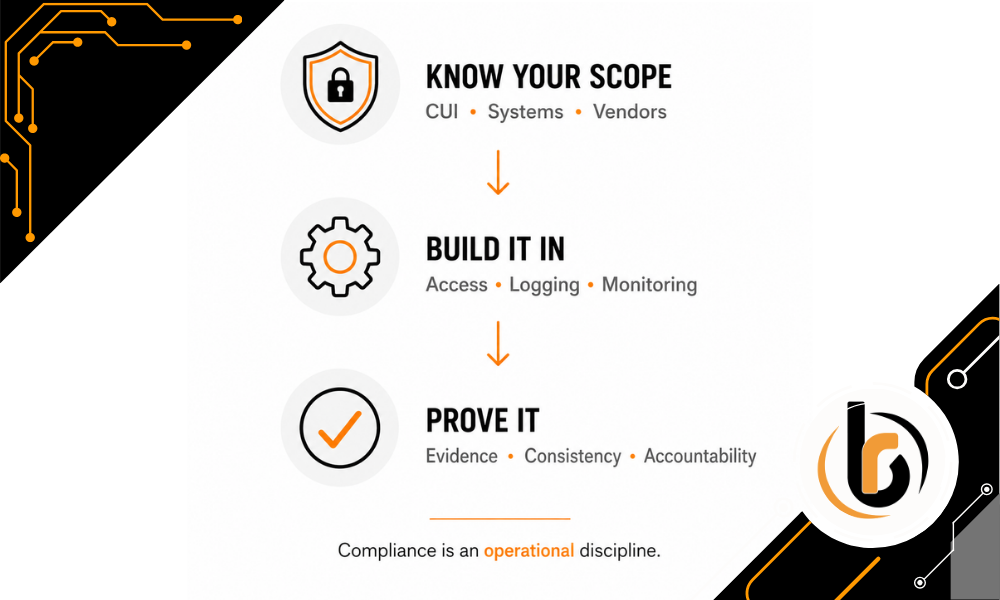
The biggest mistake organizations make when preparing for CMMC 2.0 is focusing on documentation before operations. Policies and plans matter, but assessors ultimately care whether controls are implemented and used consistently.
Preparation begins by understanding where Controlled Unclassified Information lives, how it moves, and who can access it. From there, teams can evaluate whether identity, logging, monitoring, and configuration controls align with requirements.
Modernization plays a key role here. Systems designed for observability and automation make compliance achievable. Automated evidence collection, continuous monitoring, and clear access controls reduce manual effort and improve accuracy.
Vendor and subcontractor alignment also matters. CMMC scope often extends beyond internal systems. Organizations must understand how partners handle data and ensure expectations are documented and enforced.
The bottom line is that CMMC 2.0 preparation is not a one-time project. It is an operational discipline. Teams that embed controls into daily workflows reduce stress, costs, and risks during assessments.
Next Step
If your organization is preparing for CMMC 2.0 and wants to understand where to focus first, download Black Rock’s Tech Modernization Checklist. It will help you assess system readiness, data handling, and operational gaps before compliance deadlines arrive.