
Audit panic does not come from the audit itself. It comes from uncertainty. Teams scramble not because requirements are unreasonable, but because they are unsure what assessors will ask for, where the evidence lives, or whether controls actually work as they think they do.
Avoiding last-minute audit panic is less about working harder and more about working differently. Organizations that stay calm during audits have built readiness into daily operations long before an assessor arrives.
Panic Is a Symptom of Weak Operational Readiness
Most audit panic begins when assumptions collide with reality. Teams assume the scope is clear, but data flows farther than expected. They assume that controls are in place, but enforcement varies across systems or teams. They assume evidence exists, but no one can produce it quickly.
When these gaps surface during an audit, pressure escalates. Decisions are rushed. Workarounds are introduced. Confidence erodes. Even organizations with solid security practices can appear unprepared when evidence and ownership are unclear.
Calm audits are the result of operational discipline. Controls are enforced consistently. Evidence is generated as a byproduct of work. Teams know their responsibilities and can explain them without contradiction.
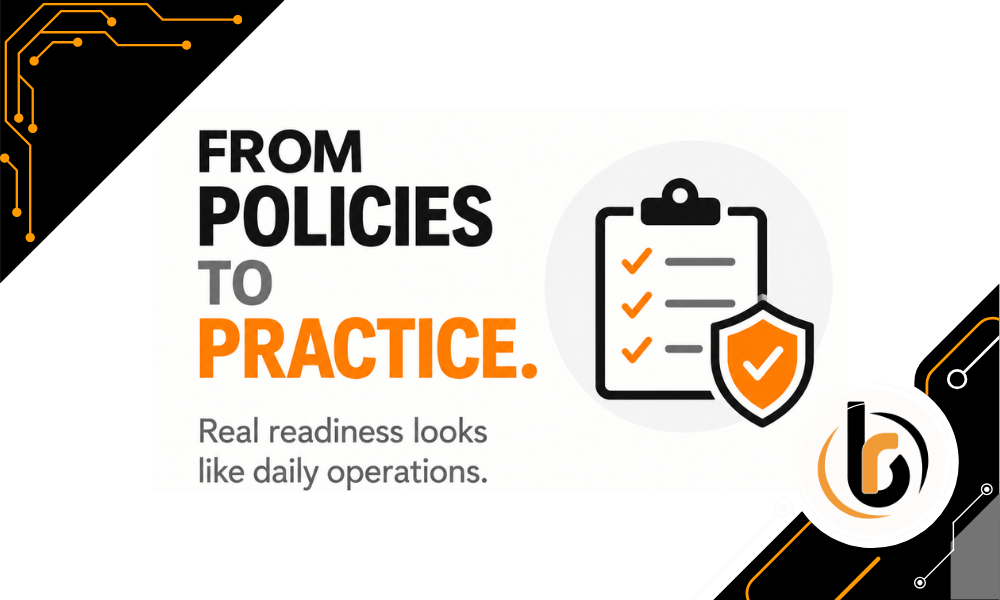
Readiness Comes from Routine, Not Heroics
Organizations that avoid audit panic do not rely on last-minute prep cycles. They build routines that make audits uneventful.
Scope is reviewed regularly, so boundaries stay accurate as systems and vendors change. Evidence sources are defined and tested so reports can be produced quickly without manual effort. Controls are monitored continuously, so drift is detected early rather than discovered under deadline.
Just as important, teams rehearse. Mock audits and evidence drills expose weak points while there is time to fix them calmly. These exercises reduce fear because people know what to expect and what is expected of them.
Leadership involvement also matters. When CISOs and executives understand readiness posture and risk exposure, decisions are made earlier and with more confidence. Audit prep stops being a crisis and becomes a managed process.
The bottom line is that audit panic is preventable. It disappears when readiness is treated as an operational capability instead of a temporary project.
Connect with us
If audits still create stress, fire drills, or late nights for your team, something in your readiness process needs to change.
Schedule a call with Black Rock Engineering and Technology. We help organizations move from reactive audit prep to operational readiness by stabilizing scope, controls, and evidence before pressure hits.
A short conversation now can turn your next audit into a routine event instead of a crisis.